
Immigration and Assimilation
Thick and thin culture, imagined communities, and what is a nation?

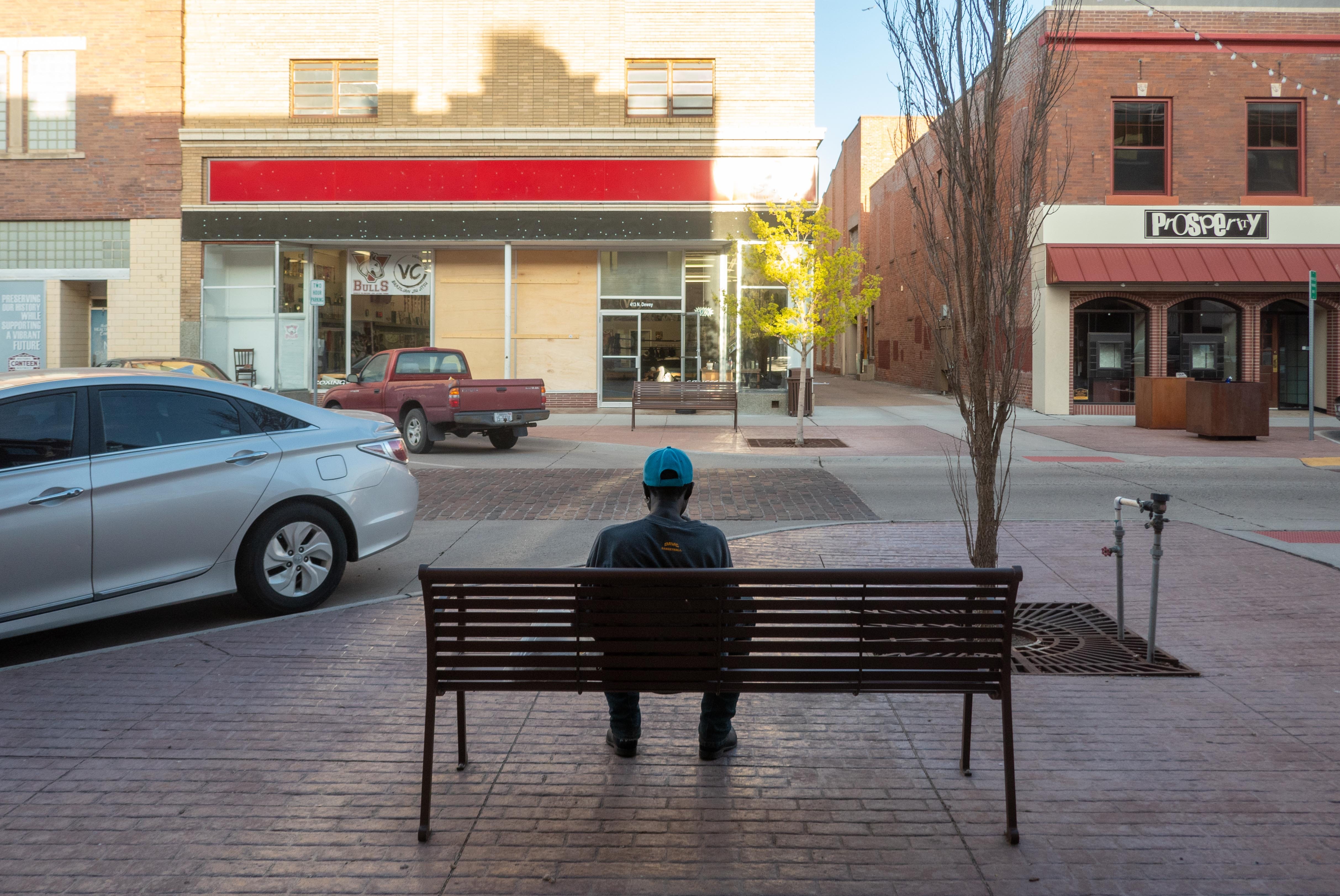
It was an ugly moment in an otherwise charming town, which made it all the more memorable. It wasn’t much, just a drunk guy being weird in a bar, hardly a unique thing, but who he was and how it played out was. I’d only been in North Platte for ten hours and was already charmed by it — the tranquil get-things-done functionality, the wide-open low-slung beauty of the surrounding plains, the non-ironic kitschiness. Sure it had the usual stretch of banality, the franchises and strip malls orbiting a massive Walmart, but even that felt different, empty of the despondent. It seemed a town preserved in amber from an idyllic cinematic past. Not only did it have working grain elevators and mile-long freight trains, but it had the world’s largest rail-yard with good jobs that didn’t require a college degree from a far away institution.
I’d gone into the bar wondering why wouldn’t you want to live here? It was late afternoon and the only other customer was an African man, slumped over his beer, staring at me. He looked out of place in so many ways. I quickly pegged him as central African, probably south Sudanese, because although I’d not seen the meat-packing plant, I’d smelled it, and I’ve been around enough of them to know he was here for that work. Hard, dangerous, and degrading work that “even the Mexicans have moved on from1”, and was now a landing spot for recent refugees from central and east Africa and the Caribbean, and Nebraska had its share of the former.
The bartender was an affable middle-aged black woman, who had moved to North Platte from Georgia over a decade before, to raise a family in a ‘town where you can let your children play outside without worrying about them being shot or getting into drugs.’


She was spending most of her time monitoring her two children, doing their homework at the front table, eating their dinner of hamburger and fries. I nodded to the man, raised my glass to him, but he didn’t respond, and kept staring straight at me, then he got up and staggered over to the front table, standing inches away from the young girl, who looked up at him with a quizzical smile. He tried saying something to her, but between his intoxication and limited English it didn’t make its way out, not in any way anyone could understand.
That brought over the bartender, who scolded him, “Hey, leave my daughter alone.” He looked at her, didn’t change his expression, and tried again to talk to the girl, and again it failed, and he stood there for minutes, mute, just staring at her, and he tried again to talk, but again nothing decipherable, and then he reached out to put his hand on her shoulder, and that is when the bartender ran out from behind the bar, and grabbed him, spinning him around. ‘No. I said no. Do you hear me? Do you understand English? Do you know what no means? You hear me? Leave her alone.’
This repeated again, and this time she upped the volume and anger, ‘You don’t want to see the bad side of my black ass, I will go ghetto on you so fast. Now leave before I do. You’re done. Get out’ and she pointed to the door, and he stood there not saying anything, looking at her with that blank expression for far longer than he should have, and then finally headed towards the door and when she had begun to retreat back to the bar he turned around and again went up to the daughter and again reached out to touch her shoulder, her looking at him confused, not scared, trying to make out what he was saying, and then the bartender was between the two, grabbing his shoulder, and pushing him towards the door, ‘That’s it. I’m calling the police. You hear? You understand?’ she said, pulling out her phone and waving it in his face. ‘Get out. I’ve told you to leave my children alone. Don’t you understand? You’re not in Africa anymore. We have rules here. You can’t go around touching anyone’s children. You hear me? Leave now or I’m calling and will get you deported so fast you won’t know what hit you. You hear? Go. Don’t mess with me.’2
That didn’t phase him, didn’t change his expression at all, but he did eventually leave, standing in the doorway for several minutes, walked by a few times peering into the window, tried to enter again, before she went out on the sidewalk and yelled, before turning to her children, and me, exasperated, ‘Did you see that? Who does he think he is?’
“Have you seen him before?” I asked.
‘No. This is why we didn’t want the plant. You see who it brings here? They shouldn’t be here. They don’t know how to behave. This isn’t Africa.’
As I learned later that night in a different bar the plant had opened recently, and its arrival had been contentious. The primary reason was “who it brought here.”
The next afternoon, waiting with me for the bus was another South Sudanese, a polite young man, the single one of us who didn’t smell like weed, wasn’t glued to their phone, didn’t spend the rest stops smoking/vaping, and who spent the five hours to Omaha looking out the window or reading the bible. I tried to speak to him, but he kept to himself, out of shyness and limited English.
Days later, reading articles3 on its arrival to North Platte, a town with few recent immigrants, it becomes clear “who it brought here” was indeed the entire issue, either couched in bureaucratic speak about “additional educational resources”, or directly, and more bluntly.
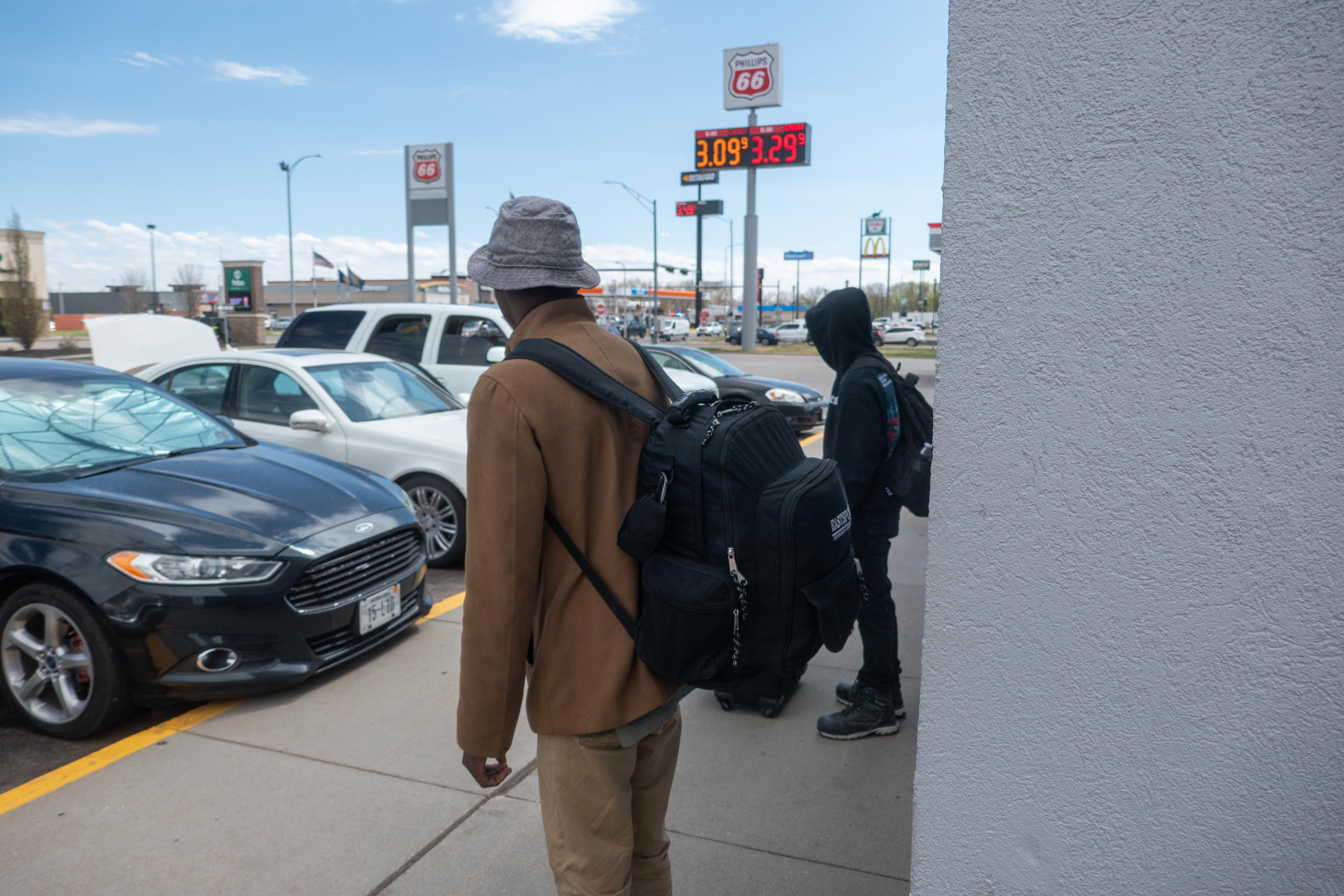
That’s not surprising, because immigration is the most contentious issue of our larval century, dominating U.S. politics, and every other nation, either explicitly as in Europe and North America, or simmering beneath the surface like in Asia, fueling the rise and fall of politicians across the globe.
Who you allow into your nation, how many and where from, and the rules they must follow until they are given citizenship (if ever) varies wildly, and yet in no country is it settled. It is not, to the chagrin of the political class, a solved issue, and while they may want to act like it is, it isn’t.