
Final thought on Australia
A great country, no kangaroos, and Melbourne

(My four pieces on Australia: First impressions of Sydney, Sydney the suburban paradise, Twenty-seven hours on the Aussie dog, and Alice Springs… )
I went to Australia expecting little, on a whim to escape the heat of August and travel crowds, and I've never been more wrong about a place. I had assumed I'd be bored by the bougie, but instead I found an endlessly fascinating country that, even after a month of travel, I only scratched the surface of, and now sitting here typing this, I am happily dreaming about returning to.
Australia is colossal, but also empty, both of which I knew going in, but just how colossal and how empty you can't fully grasp unless you spend twenty-seven hours on a bus to only make it a third of the way across its width, and during that time only pass through a handful of towns that would even register on a map in the US.
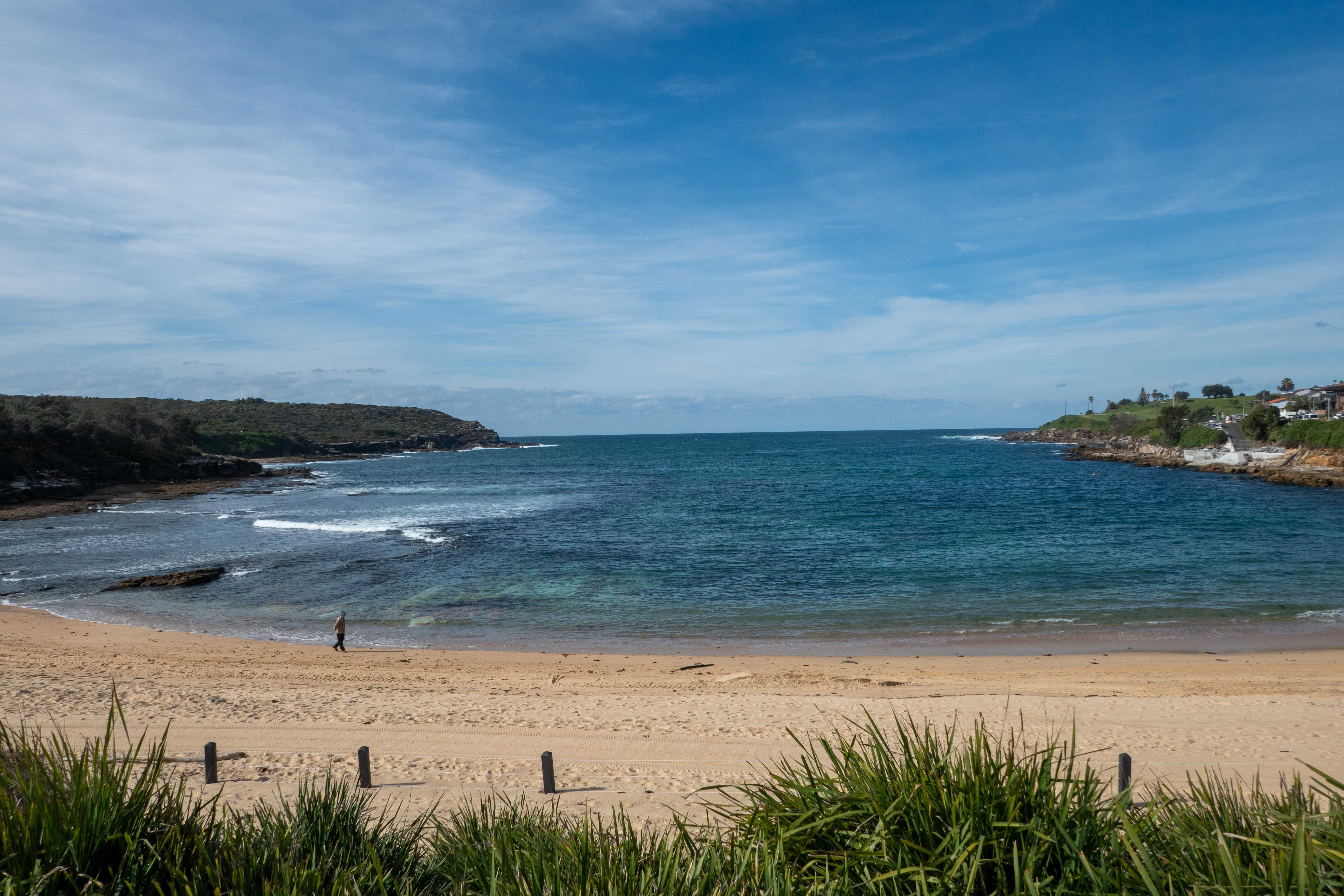
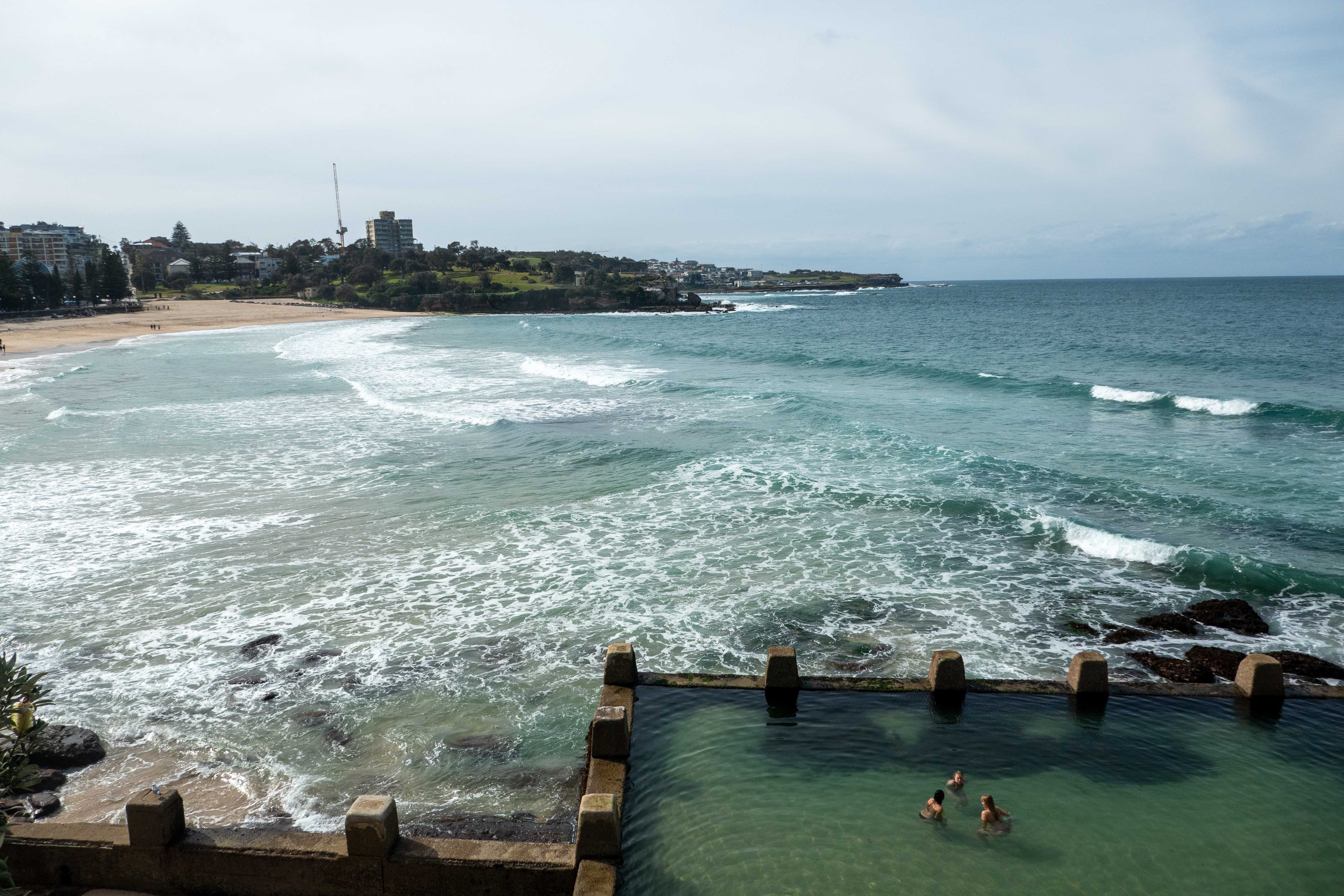
It has one-tenth of the US population despite being about the same size, and everyone crowds into a single coastal region. That arc of land, from about Melbourne to Brisbane, is the size of California and also gifted with fertile soil, a spectacular variegated coast, and temperate weather. The analogy holds the deeper you look. Sydney, with its lush yards, immaculate beaches, stellar Asian food, and laid-back citizens, is a superior Los Angeles and might be my favorite large city in the world. Given that LA is my favorite large US city, it might be that I have a thing for sprawling suburban cities with Mediterranean climates, but I'm pretty sure, having talked to many other travelers with varied tastes, that it's more about the quality of Sydney, and less about my own particular fetish.
The rest of the country, outside of their California, is even more appealing, but it certainly doesn’t seem that way from the outside. It’s far emptier, with some of the lowest population densities in the world, because it isn’t welcoming, with leached soil that's bad for crops, and sparse rain that when it comes, does so in dangerous deluges that wash away everything. It is populated with enigmatic and venomous animals, which adds one more hurdle for anyone wanting to settle there. The entire region gets labeled the outback, and while there is diversity across its three thousand miles, as I saw on my bus ride into Alice Springs, it's far more a variation on an inhospitable theme (harsh, denuded, desert), than true differences.
The few people who live there do so because, despite being inhospitable, it is essential to Australia's economy, since beneath its crappy soil are all sorts of valuable minerals that the world needs. That means a lot of rugged industry, complete with grime, dust, and hard work, which fits perfectly with the landscape. Mount Isa, a city I spent only a few hours in that I want to return to, is one of those mining towns. It felt anachronistic — a stereotypical gritty blue-collar town from an industrial past of oil-splotched concrete and leather faces that has largely disappeared in the developed world, complete with smokestacks belching smoke, orange sodium lights dimmed by the haze, and workers coated in grime.
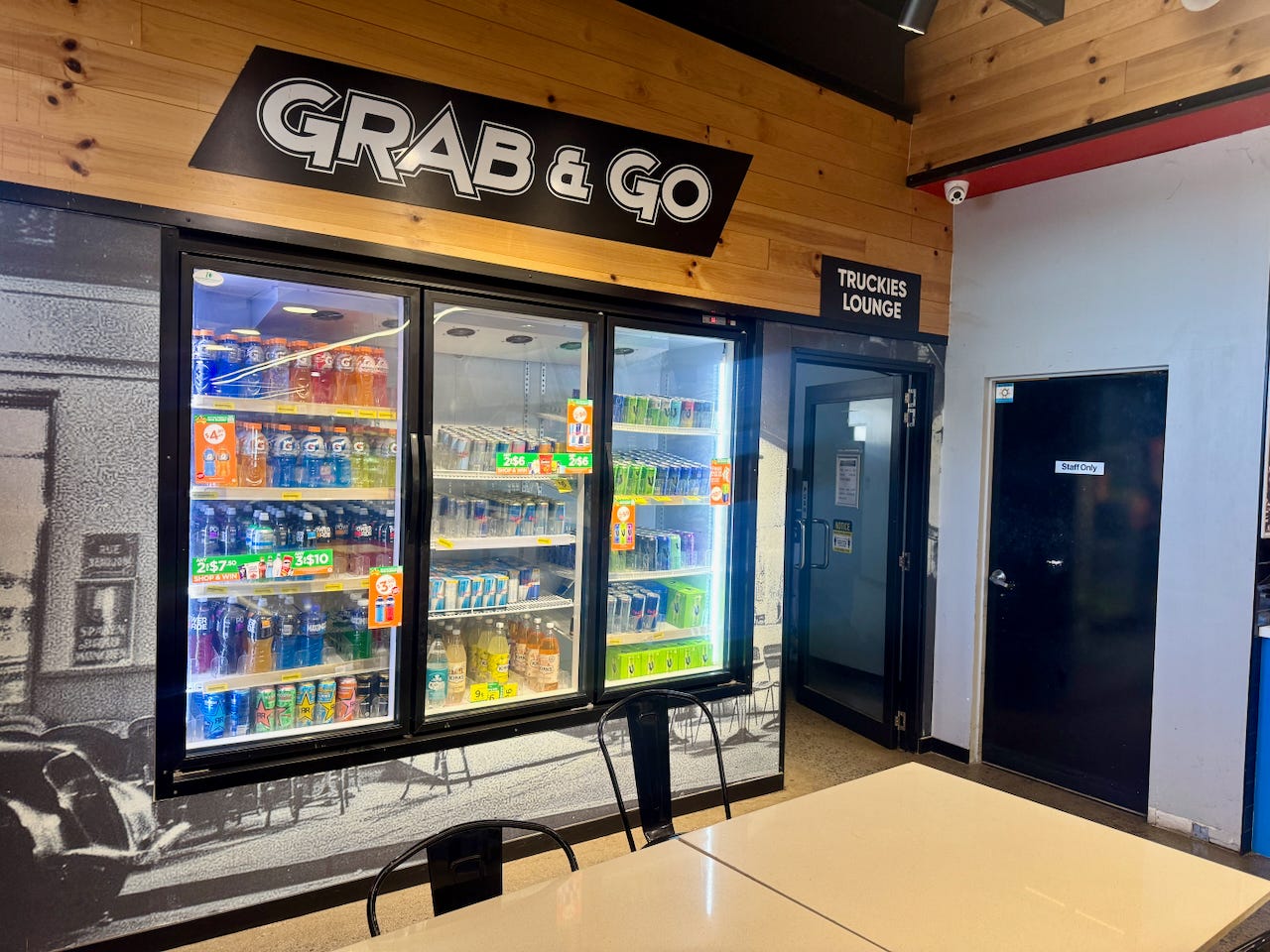
That also means there's a large transient population who spend X weeks in the outback working, before flying back to be with their families on the coast. In classic Australian fashion, these workers come with a diminutive, FIFO, for fly in, fly out, that everyone loves saying very quickly, such as in, "the truckie eating brekkie at the servo, wearing his footy kit and thongs, is a FIFO heading to the bottle-o.1"
Also living in the outback are the descendants of those who lived in it successfully for sixty thousand years, yet none of that makes for traditional tourist sights, certainly not anything easy or comfortable, but instead it has a wealth of natural beauty and the eccentric, such as a variety of smaller towns that feel more like logistical hubs for the surrounding X thousands of otherwise empty miles. So if you have the luxury of time and money, and are willing to try less obvious routes, Australia outside of New South Wales and Victoria is among the most overlooked tourist destinations, refreshingly unique in a world that can feel monotonous.
The Aboriginal culture plays a major part in that uniqueness, and while the current state of affairs, with high levels of intoxication, crime, and despair, is depressing, if you can look through that, to the larger picture, there is still a lot to be learned, and appreciated, especially about the history of our species and how adaptable we are, and how essential the spiritual is to us.
As a friend of mine wrote to me when I was in Alice Springs, "I love the Aboriginal history. They are like the ghosts of Australia past, wandering the shopping malls, like encountering Anglo-Saxon warriors, blotto, in a Tesco car park in Winchester."2
He's correct, and I never quite got used to sitting in a bar, watching sports, surrounded by the large screen TVs, listening to top forty music, and seeing a man, who other than his Stetson hat and rugby league jersey, looks as if he were transported directly from 40,000 years ago.
The ghost metaphor fits, since they remain of this earth but have been severed from so much of their heritage. Aboriginal culture was steeped in the spiritual, with the land and nature imbued with and elevated to the transcendent, and that has made adjusting to our modern landscape of transactional banality (where someone is expected to move for a job and work in a prefab building with fluorescent lights) much harder for them, and highlights the existential despair accompanying a loss of faith3.